

 +50 pts
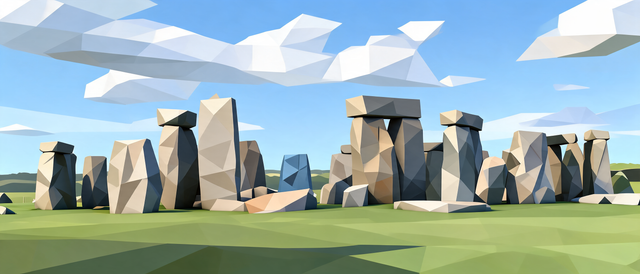
The giant lintels are locked to their uprights with mortise-and-tenon joints, a construction detail unique among contemporary monuments. Inside, smaller bluestones surround three-stone trilithons, while the whole ruin points toward the summer-solstice sunrise and winter-solstice sunset.
Photo check-in on siteWe verify the photo's location automatically
About Stonehenge
Stonehenge is a prehistoric monument on Salisbury Plain in Wiltshire, about 3 km west of Amesbury. Construction took place in several stages from about 3100 BC to 1600 BC. The earliest work was a circular chalk bank and ditch, around 110 metres across, built about 3100 BC. The large sarsen stone circle followed between 2600 and 2400 BC. Radiocarbon evidence places the bluestones between 2400 and 2200 BC, though some may have reached the site earlier.
Stonehenge may have been used for burial from its first phase. Deposits containing human bone date from about 3000 BC and continued for at least another 500 years. The monument sits within a dense prehistoric landscape containing Neolithic and Bronze Age sites, including several hundred burial mounds. Its name may come from Old English words meaning “stone” and either “hinge” or “hanging.” Stonehenge has been legally protected since 1882, and the monument and its surroundings became a UNESCO World Heritage Site in 1986.
Facts from Wikipedia: Stonehenge